Restoring Historical Buildings: A Heritage Perspective
Updated: Jan 7
Restoring heritage buildings is a journey that connects us to the past while shaping the future. These structures tell stories of craftsmanship, culture, and community. When we breathe new life into them, we preserve more than bricks and mortar - we safeguard identity and history. This process requires care, respect, and a deep understanding of the building’s original character. It’s a delicate balance between honouring tradition and embracing modern needs.
The Importance of Heritage Building Restoration
Heritage building restoration is more than a technical task. It’s a commitment to preserving cultural landmarks that enrich our environment. These buildings often hold architectural details and materials that are rare or no longer in use. Restoring them helps maintain the unique charm and authenticity of a place.
For hospitality venues, hotels, and bespoke residences, heritage restoration can add a distinctive appeal that modern constructions may lack. Imagine a boutique hotel housed in a beautifully restored 19th-century building. The character and history become part of the guest experience, creating a memorable stay that blends comfort with heritage.
Moreover, heritage restoration supports sustainability. Reusing existing structures reduces waste and the demand for new materials. It also minimises the environmental impact of demolition and new construction. This approach aligns with growing awareness of eco-friendly practices in architecture and design.

Key Considerations in Heritage Building Restoration
When approaching heritage building restoration, several factors come into play. Each project is unique, but some principles guide the process:
Research and Documentation: Understanding the building’s history, original design, and previous alterations is essential. This research informs decisions and ensures authenticity.
Material Selection: Using materials that match or complement the original ones helps maintain the building’s integrity. Sometimes, sourcing traditional materials or employing specialist craftspeople is necessary.
Structural Assessment: Older buildings may have hidden issues like weakened foundations or outdated wiring. A thorough inspection ensures safety and longevity.
Balancing Modern Needs: While preserving heritage, the building must meet current standards for accessibility, energy efficiency, and functionality. Thoughtful integration of modern systems is key.
Regulatory Compliance: Heritage buildings often fall under specific preservation laws and guidelines. Navigating these requirements is crucial to avoid legal complications.
For example, in a commercial setting, restoring a heritage building might involve upgrading HVAC systems without disturbing original ceilings or walls. This requires creative solutions and collaboration between architects, engineers, and conservation experts.
What is the difference between historic restoration and rehabilitation?
Understanding the distinction between historic restoration and rehabilitation helps clarify project goals and methods.
Historic Restoration focuses on returning a building to a specific period in its history. This means removing later additions or alterations and repairing original features to their former state. The goal is authenticity and historical accuracy.
Rehabilitation allows for more flexibility. It involves adapting a building for contemporary use while preserving significant historical elements. Changes are made to improve functionality, safety, and comfort, even if some original features are altered or replaced.
For instance, a hotel in a heritage building might undergo rehabilitation to install modern amenities like elevators and fire safety systems. Meanwhile, a museum might pursue restoration to showcase the building as it appeared in a particular era.
Both approaches require respect for the building’s heritage but differ in how strictly they adhere to original conditions. Choosing between them depends on the building’s condition, intended use, and regulatory framework.

Practical Steps for Successful Heritage Building Restoration
Embarking on a heritage building restoration project involves careful planning and execution. Here are practical steps to guide the process:
Engage Experts Early
Collaborate with architects, historians, and conservation specialists who understand heritage buildings. Their expertise ensures informed decisions and quality outcomes.
Conduct a Detailed Survey
Document the building’s current condition, including structural elements, finishes, and any damage. Use this as a baseline for restoration work.
Develop a Conservation Plan
Outline the restoration goals, methods, and materials. This plan should align with heritage guidelines and client needs.
Secure Approvals and Permits
Work with local heritage authorities to obtain necessary permissions. Early engagement can prevent delays.
Source Appropriate Materials
Identify suppliers or craftspeople who can provide authentic or compatible materials. This may include reclaimed bricks, lime mortar, or traditional timber.
Implement Sensitive Construction Techniques
Use methods that minimise damage to original fabric. For example, reversible interventions allow future changes without permanent loss.
Monitor and Document Progress
Keep detailed records of work done, including photographs and reports. This documentation supports future maintenance and heritage compliance.
Plan for Ongoing Maintenance
Heritage buildings require regular care to preserve their condition. Establish a maintenance schedule and budget.
By following these steps, restoration projects can achieve a harmonious blend of preservation and modern functionality.
The Role of Design in Heritage Building Restoration
Design plays a pivotal role in heritage building restoration. It’s not just about replicating the past but creating spaces that work for today’s users. Thoughtful design respects the building’s story while enhancing its usability.
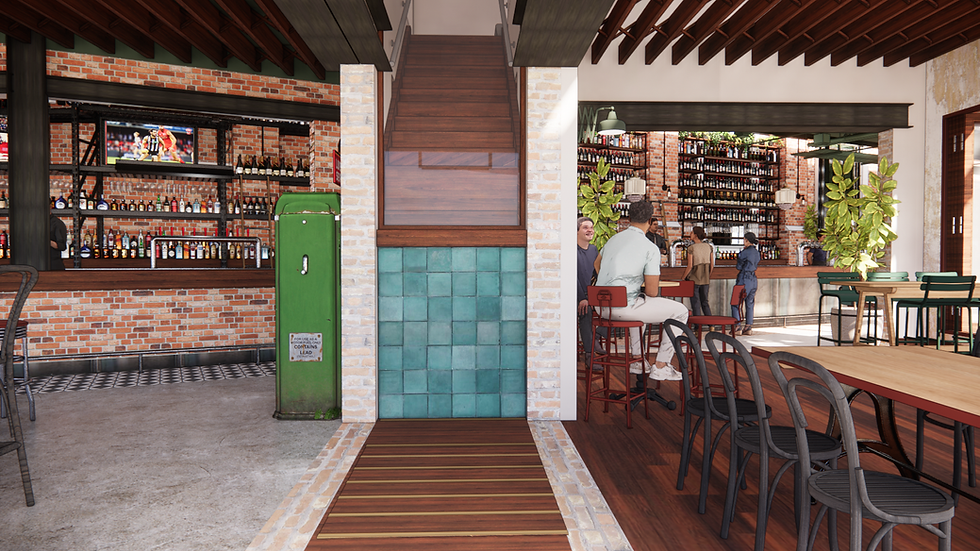
For commercial clients, this might mean designing interiors that highlight original features like exposed brick walls or decorative ceilings. Lighting, furniture, and colour schemes can complement the heritage elements, creating a cohesive atmosphere.
In bespoke residential projects, design can balance comfort with character. Modern kitchens and bathrooms can be integrated discreetly, preserving the home’s charm without sacrificing convenience.
The design process also involves problem-solving. For example, improving energy efficiency in a heritage building might require innovative insulation solutions that don’t alter external appearances.
Ultimately, design in heritage restoration is about storytelling - weaving the old and new into a seamless narrative that honours the past and embraces the future.

Embracing Heritage for a Sustainable Future
Restoring heritage buildings is a meaningful way to contribute to sustainable development. It conserves resources, reduces waste, and supports cultural continuity. For businesses and homeowners alike, investing in heritage building restoration can enhance value and community connection.
By choosing restoration, we celebrate craftsmanship and history while creating spaces that serve today’s needs. It’s a journey that requires patience, respect, and collaboration. But the rewards - beautiful, functional, and enduring buildings - are well worth the effort.
If you are considering a project, exploring historical building restoration can provide inspiration and guidance. With the right approach, heritage buildings can continue to inspire and serve for generations to come.


Comments