Crafting Local Identity at Treendale Farm Hotel Through Layered Architectural Storytelling
Updated: Jan 7
Creating a venue that resonates with its surroundings and patrons is a challenge every architect faces. As the lead architect for the Treendale Farm Hotel, I embraced this challenge by designing a space that serves not only as a hotel but also tells a story deeply rooted in local identity. My layered approach to architecture and interiors allows me to create a place that connects with patrons on multiple levels, ensuring a memorable experience that reflects the essence of the region.
Embracing Local Identity
Local identity goes beyond aesthetics; it captures the spirit of a place. In designing Treendale Farm Hotel, I immersed myself in local culture, history, and environment. This deep understanding guided my design choices, from selecting materials to structuring spaces.
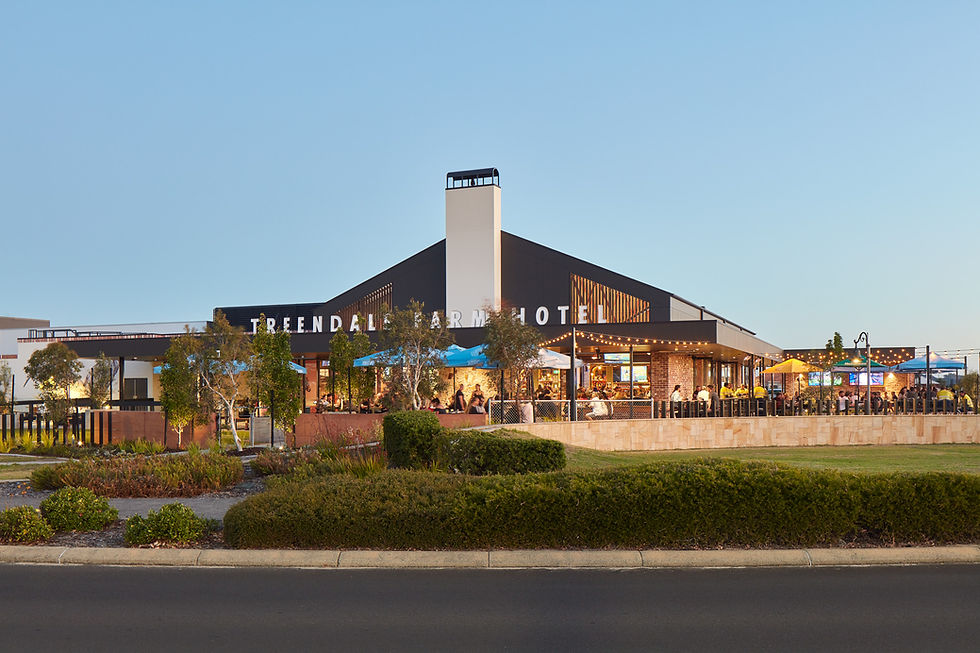
By incorporating elements that mirror the local landscape and heritage, I aimed to foster a sense of belonging for our guests. The hotel's design pays homage to the surrounding farmland. For example, I incorporated features that echo the traditional barns and farmhouses present in the area. This connection not only enhances the hotel's visual appeal but also promotes a deeper emotional tie with our patrons.
Multi-layered Architectural Storytelling
My design philosophy revolves around multi-layered storytelling. Each architectural and interior element is carefully curated to contribute to a richer narrative. This approach encourages guests to engage in a dialogue with the space, prompting them to explore and uncover stories embedded within the design.
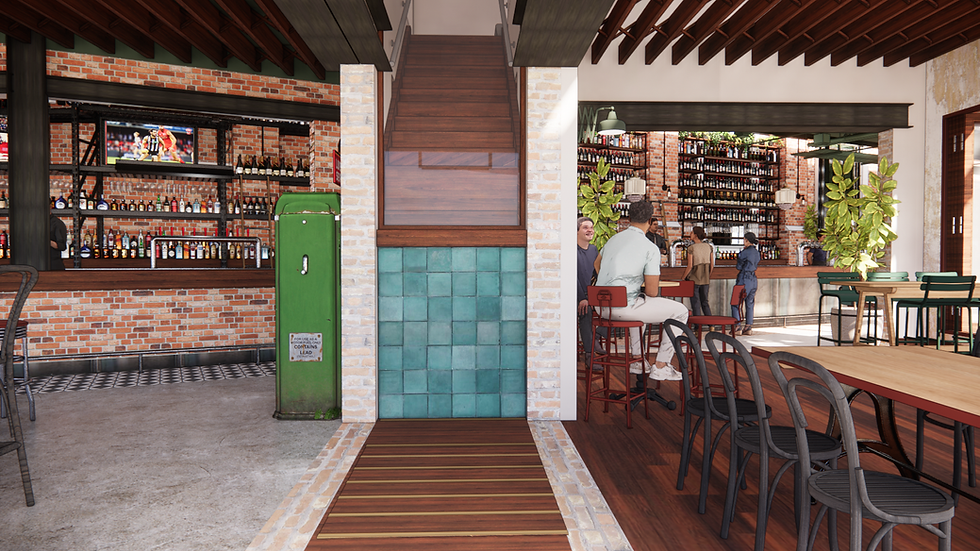
For instance, using local materials like timber and stone conveys tales of the region’s natural resources. The textures and colors I chose reflect the changing seasons of the farm, creating a dynamic environment that evolves. I also incorporated artwork and decor that depict scenes from local folklore, giving guests a deeper appreciation for the area’s history.

Creating Visual Interest Through Design
A significant aspect of my design was creating interest through various architectural layers. I achieved this by incorporating different heights, materials, and forms throughout the hotel. The interplay of light and shadow, along with the strategic placement of windows, invites guests to experience the space in remarkable ways.
For example, the lobby features a high ceiling with exposed beams, creating an inviting atmosphere that draws guests in. Large windows allow natural light to flood the area, showcasing the local identity of Treendale Farm, past and present. This design choice not only enhances aesthetics but also connects guests with the natural environment. Research shows that access to natural views can boost mood and overall satisfaction by up to 20%.
Engaging All the Senses
At Treendale Farm Hotel, I believe that design should engage all the senses. My layered architectural approach provides a multi-sensory experience for guests from the moment they arrive.
The taste of recycled materials, fixtures, and furniture, the ambient sounds of nature, and the visual beauty of the design create an immersive atmosphere. Every room is designed with comfort in mind, featuring comfortable furnishings, large fireplaces, and decor that reflect local identity. For instance, each space incorporates elements of local culture, such as artwork from nearby artists or references to the heritage of the site. This attention to detail ensures that guests feel at home while being part of something larger.

Building Strong Community Connections
Creating a local identity at Treendale Farm Hotel also means building connections with the community. I collaborated with local artisans and craftsmen to incorporate their work into the hotel’s design. This not only supports the local economy but enriches the hotel’s narrative. For example, artwork from West Australian artists references the local identity of Treendale.
By showcasing local art and craftsmanship, I invite guests to engage with the community and learn more about the region’s culture. This connection transforms their visit into an opportunity to explore and appreciate local identity.
The Importance of Sustainability in Design
Sustainability is a vital aspect of modern architecture. At Treendale Farm Hotel, I prioritized eco-friendly practices throughout the design process. From using sustainable materials to implementing energy-efficient systems, my goal was to minimize the hotel’s environmental impact.
Incorporating renewable energy sources, such as solar panels, not only reduces energy costs but also aligns with the values of environmentally conscious travelers. By making sustainable choices, I hope to inspire guests to consider their own environmental footprint during their stay.
Final Thoughts
The design of Treendale Farm Hotel showcases the importance of creating a local identity within a venue. Through my layered approach to architecture and interiors, I crafted a space that tells a story while connecting with patrons on multiple levels.
By embracing local culture, engaging the senses, and fostering community connections, I have created not just a place to stay but a destination that embodies the spirit of the region. As an architect, my goal is to inspire and engage through thoughtful design, and Treendale Farm Hotel is a shining example of how this vision can be realized.

Treendale Farm Hotel- External Spaces have a familiar local identity of Treendale.
For more information about our design philosophy and projects, please visit Benson Bailey Studio.

Comments