Designing Perth's Iconic Restaurant & Bar Spaces
Creating a hospitality space that stands out in Perth is both an art and a science. It requires a thoughtful blend of aesthetics, functionality, and a deep understanding of the local culture and clientele. Over the years, we have witnessed how a well-designed venue can transform not only the dining experience but also the success of the business itself. Today, we want to share insights into the restaurant and bar interior design essentials that make Perth’s iconic dining spaces truly exceptional.
Understanding the Heart of Hospitality Venue Design Essentials
When we talk about bar and restaurant design essentials, we are referring to the core elements that shape the atmosphere, flow, and overall experience of a dining venue. These essentials go beyond just choosing colours or furniture; they involve a strategic approach to space planning, lighting, acoustics, and material selection.
One of the first things we focus on is the layout. A well-planned layout ensures smooth movement for both staff and guests. It balances privacy with openness, creating intimate corners as well as communal areas. For example, in a bustling restaurant like The Berwick in Victoria Park, a layout that allows easy access to the kitchen and bar without disrupting diners is crucial.
Lighting is another cornerstone. Natural light is a gift in Western Australia’s coastal environment, so we always aim to maximise it. However, the right artificial lighting can set the mood after sunset. Warm, adjustable lighting invites guests to relax and linger, enhancing their overall experience.
Materials and textures also play a vital role. Using local timber, stone, or recycled materials not only supports sustainability but also connects the space to each venue's location unique character. These choices add warmth and authenticity, making the restaurant feel like a natural part of its surroundings.

Crafting Ambience with Thoughtful Details
Ambience is the invisible thread that ties every element of a restaurant together. It’s what guests feel the moment they step inside. To create this, I pay close attention to colour palettes, furniture styles, and decorative accents.
Acoustic design is often overlooked but is essential for a comfortable dining experience. Hard surfaces can create echoes and noise, which detract from conversation and enjoyment. Incorporating soft furnishings, acoustic panels, or even plants can absorb sound and create a more intimate atmosphere.
Artwork and lighting fixtures serve as focal points that tell a story. Whether it’s a mural inspired by Fremantle’s maritime past or bespoke light fittings crafted by local artisans, these details enrich the space and give guests something to admire.

Functional Flow: Balancing Efficiency and Comfort
A venue's success depends heavily on how well it functions behind the scenes. While guests enjoy the ambience, the staff needs a space that supports their work efficiently. This is where functional flow becomes a design priority.
We always start by mapping out the journey of food and service. The kitchen should be easily accessible but discreet, with clear paths for waitstaff to move without crossing or congestion. Storage areas must be close to prep zones, and the bar should be positioned to serve both diners and take-away customers smoothly.
Seating arrangements also impact flow. Flexible seating options, such as movable chairs and tables, allow the space to adapt to different group sizes and events. Comfortable seating encourages guests to stay longer, which can increase revenue.
Accessibility is another key consideration. Ensuring that all areas are wheelchair-friendly and that signage is clear and welcoming reflects a commitment to inclusivity and enhances the overall guest experience.

Integrating Technology Without Losing Warmth
In today’s hospitality landscape, technology plays a vital role in enhancing both operations and customer experience. However, it’s important to integrate it in a way that complements the design rather than detracts from the warmth and charm of the space.
Digital ordering systems, contactless payments, and smart lighting controls can streamline service and reduce wait times. Yet, these should be subtly incorporated. For instance, tablets can be housed in elegant holders that match the décor, and screens can be positioned discreetly.
Sound systems should provide clear, pleasant background music without overpowering conversation. Wi-Fi access is expected, but the design should avoid the sterile feel of a tech-heavy environment.
By blending technology with thoughtful design, a restaurant can feel modern and efficient while still inviting and comfortable.
Bringing The Location’s Spirit into Every Design
Eahc bar or restaurant will be located in a place with a distinct personality. Locations such as Fremantle are vibrant, historic places that are deeply connected to the ocean. When designing a venue, it’s essential to capture the spirit of it locale. This is why we often recommend collaborating with local artists, craftsmen, and suppliers.
Incorporating elements like reclaimed timber from the area or introducing artworks that celebrate the local community creates a sense of place. It tells a story that guests can connect with, making their visit memorable.
If you are looking to create a standout space, consider how your design can reflect a places unique culture and environment. This approach not only enriches the guest experience but also supports local businesses and sustainability.

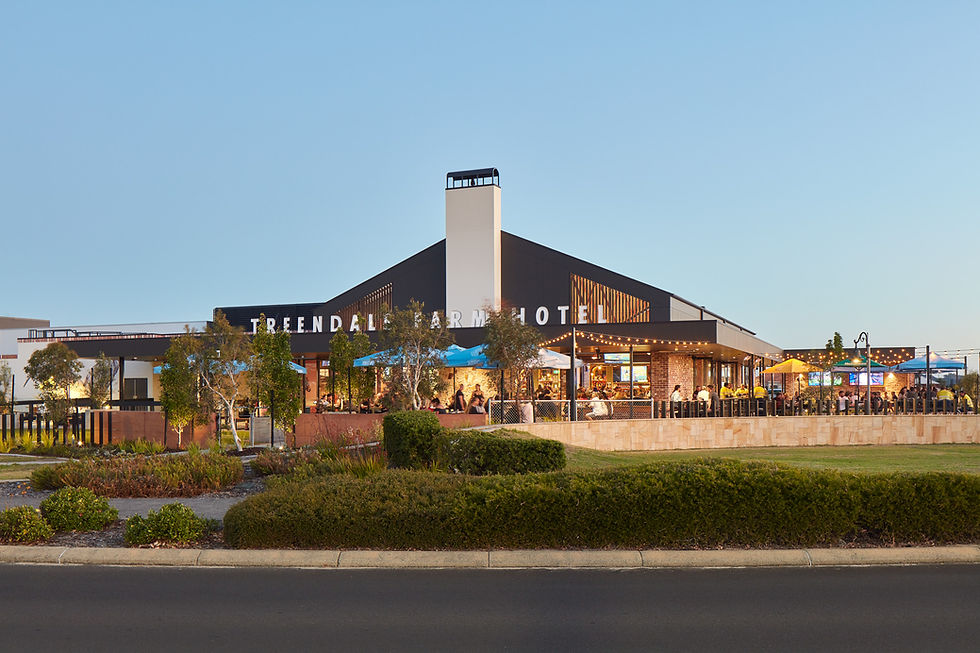
For those interested in seeing how these principles come to life, I invite you to explore this other bar and resturants projects by Benson Bailey Studio, which beautifully balances heritage and modernity.
Designing for Longevity and Success
A truly iconic restaurant space is one that stands the test of time. This means designing with durability, flexibility, and future growth in mind.
Choose materials that age gracefully and are easy to maintain. Avoid overly trendy elements that might date quickly. Instead, focus on classic design principles that can evolve with your brand.
Plan for adaptability. Your bar or restaurant might need to host events, change menus, or expand seating. Designing spaces that can be reconfigured easily will save costs and keep your venue fresh.
Finally, always keep the guest experience at the centre. A beautiful space that feels welcoming, comfortable, and thoughtfully designed will encourage repeat visits and positive word-of-mouth.
Designing Perth’s iconic restaurant and bar spaces is a rewarding challenge. By focusing on these hospitality venue design essentials, you can create environments that are not only visually stunning but also functional, sustainable, and deeply connected to their community.


Comments